Speed Pharmacology

Speed Pharmacology

@speedpharmacology · 930K subscribers · 43 videos · English

Speed Pharmacology was born in 2015 with the mission to provide short, simple, and entertaining pharmacology videos for free to anyone with access to the internet. I hope you enjoy them and find them useful :) IMPORTANT DISCLAIMER: The video content on this channel is intended for general education only and should not be relied upon for personal diagnosis or treatment.

What learners say

Watched Speed Pharmacology? Tell other learners what you think below, or read the discussion around the channel.

Click to see the discussion

Videos

13:26

Pharmacology - DRUGS FOR ANEMIA (MADE EASY)

34K views · 9mo ago · 13:26

Treating anemia requires matching the drug to the specific physiological defect! Pharmacology is key to understanding why we treat iron deficiency differently from kidney disease-related anemia or hemolysis. In this Speed Pharmacology video, we break down the physiology of red blood cell production and the mechanisms of action for every major class of anemia medication.

Topics: Red Blood Cell Production & Iron Metabolism (Physiology) · Understanding the Causes of Anemia · Iron Therapy · Vitamin B12 & Folate · Erythropoiesis-Stimulating Agents · HIF Stabilizers

15:15

Pharmacology - PHARMACOGENOMICS (MADE EASY)

30K views · 1y ago · 15:15

Join this channel to get access to perks Your DNA holds the key to personalized medicine! Pharmacogenomics is revolutionizing healthcare by tailoring medications to your genetic profile—making treatments safer, more effective, and minimizing side effects. In this video, we break down how genetic variations influence drug metabolism, efficacy, and toxicity, transforming fields like oncology, cardiology, psychiatry, and pain management.

Topics: What is Pharmacogenomics? · The ADME Process · Fast vs. Slow Metabolizers · Oncology · Pain Management · Mental Health

15:27

Pharmacology - WEIGHT LOSS DRUGS FOR OBESITY (MADE EASY)

56K views · 2y ago · 15:27

Explore the fascinating world of weight loss pharmacology in this in-depth YouTube video. Delve into the pathophysiology of obesity and unravel the mechanisms of action behind prominent weight loss drugs, including Orlistat, Phendimetrazine, Phentermine-Topiramate, Setmelanotide, Naltrexone-Bupropion, Liraglutide, Semaglutide, and Tirzepatide.

Topics: Hormones & Appetite Regulation · Orlistat – Blocking Fat Absorption · Phendimetrazine – Appetite Suppression · Phentermine-Topiramate – Dual Action Weight Loss · Setmelanotide – Targeting Genetic Obesity · Naltrexone-Bupropion – Brain Chemistry & Weight Loss

11:28

Pharmacology - DRUGS FOR OSTEOPOROSIS (MADE EASY)

114K views · 3y ago · 11:28

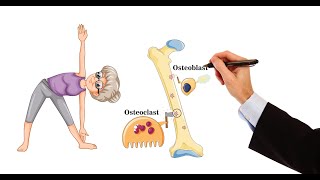
In this comprehensive video on pharmacology, we delve into the fascinating world of drugs used to treat osteoporosis. If you're curious about how bisphosphonates, RANKL inhibitors, selective estrogen receptor modulators (SERMs), parathyroid hormone (PTH) analogs, and sclerostin inhibitors work to combat this debilitating condition, you're in the right place!

Topics: Bone Remodeling Process · RANKL inhibitors · Bisphosphonates · Selective Estrogen Receptor Modulators · Parathyroid Hormone Analogs · Sclerostin Inhibitors

13:31

Pharmacology - DRUG INTERACTIONS (MADE EASY)

152K views · 3y ago · 13:31

Join this channel to get access to perks Multiple drugs are often used in clinical practice because patients frequently present with multiple chronic diseases. Several medications are frequently administered concurrently to improve drug adherence. Although this may be a preferred clinical strategy, administering two or more drugs at the same time increases the possibility of drug-drug interactions.

Topics: Active Site and Allosteric Site · Binding Affinity · Intrinsic Clearance · Competitive Inhibition · Non-Competitive Inhibition · Mixed inhibition

📄 Mentioned papers: doi:10.3390/pharmaceutics12090846

14:38

Pharmacology - GASTROINTESTINAL AND ANTIEMETIC DRUGS (MADE EASY)

490K views · 4y ago · 14:38

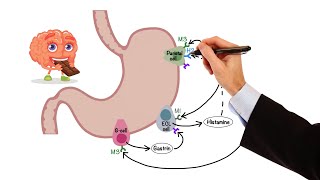
Gastrointestinal (GI) diseases are those that affect any section of the gastrointestinal tract. There are many different types of GI diseases including gastroesophageal reflux disease (GERD), peptic ulcers, nausea & vomiting, constipation, and diarrhea. This pharmacology lecture discusses mechanism of action of various drugs used in treatment of GI illnesses i.e.

Topics: Overview · Parietal cell acid secretion · H2-receptor antagonists · Proton pump inhibitors · Antacids · Mucosal protectants

9:49

Pharmacology - IMMUNOSUPPRESSANTS (MADE EASY)

309K views · 4y ago · 9:49

Immunosuppressants are drugs that suppress the immune system. They are most commonly prescribed to deal with the symptoms of autoimmune disease and following transplant surgery to reduce the risk of the transplanted organ being rejected. This pharmacology lecture discusses mechanism of action of the major classes of immunosuppressive drugs, which include; Calcineurin inhibitors, Costimulation blockers, mTOR inhibitors, Antimetabolites, Corticosteroids, and Antibodies.

Topics: Innate and Adaptive Immunity · T Cell Activation · Calcineurin Inhibitors · Costimulation Blockers · mTOR Inhibitors · Antimetabolites

17:19

Pharmacology – HEART FAILURE (MADE EASY)

557K views · 5y ago · 17:19

Heart failure is simply defined as a chronic, progressive disorder in which the heart muscle is unable to pump enough blood to meet the body's needs. Depending on the primary cause, heart failure can manifest itself as either systolic or diastolic dysfunction. In systolic heart failure the heart muscle becomes weak and cannot squeeze as much blood out.

Topics: Heart & Circulatory System · Types of Heart Failure · Sympathetic activation · RAAS activation · Natriuretic peptides · Beta-blockers

6:37

Pharmacology – ANTIFUNGAL DRUGS (MADE EASY)

470K views · 5y ago · 6:37

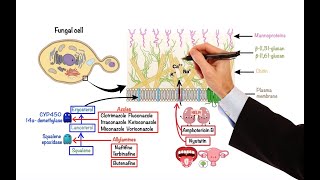
Antifungals are a class of drugs used for the treatment of systemic and superficial fungal infections. Most antifungal drugs interfere with ergosterol biosynthesis, bind to ergosterol to disrupt fungal cell membrane integrity, or target enzymes involved in cell wall construction.

Topics: Amphotericin B and Nystatin · Azoles and Allylamines · Echinocandins · Griseofulvin and Flucytosine

9:17

Pharmacology – MENSTRUAL CYCLE AND HORMONAL CONTRACEPTIVES (MADE EASY)

433K views · 5y ago · 9:17

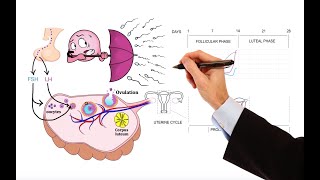
The menstrual cycle is defined by the regular, repetitive monthly occurrence of ovulation throughout a female’s reproductive life, which results from a complex feedback system involving the hypothalamus, pituitary, ovary, and uterus. The cycle has two components: the ovarian cycle, which consists of the follicular phase, ovulation, and the luteal phase; and the uterine cycle, which consists of menstruation, proliferative phase, and secretory phase.

Topics: Follicular phase · Luteal phase · Hormonal contraceptives

📰 Mentioned news: Article on simple.wikipedia.org

18:07

Pharmacology – DRUGS FOR PITUITARY AND THYROID DISORDERS (MADE EASY)

303K views · 5y ago · 18:07

The endocrine system is a complex collection of hormone-producing glands that control basic body functions such as metabolism, growth and sexual development. Hypothalamus and pituitary gland are the key players in the endocrine system responsible for hormone regulation and production. This pharmacology lecture discusses the hormones secreted by the hypothalamus and the pituitary as well as mechanism of action of various drugs used in treatment of endocrine disorders.

Topics: Hypothalamus & Pituitary · Anterior pituitary · Posterior pituitary · Thyroid hormones · Gonadotropins · Adrenal hormones

📰 Mentioned news: Article on en.wikipedia.org

13:45

Pharmacology - DRUGS FOR ASTHMA AND COPD (MADE EASY)

616K views · 6y ago · 13:45

Asthma and chronic obstructive pulmonary disease (COPD) are chronic lung diseases marked by an inflammation and narrowing of the airways. This pharmacology lecture discusses the basic pathophysiology of asthma and COPD as well as mechanism of action of various drugs used in treatment of these diseases.

Topics: Asthma pathophysiology · COPD pathophysiology · β2 adrenergic agonists · Muscarinic antagonists · Leukotriene modifiers · Phosphodisterase inhibitors

15:10

Pharmacology - ANTIVIRAL DRUGS (MADE EASY)

533K views · 6y ago · 15:10

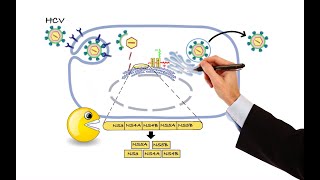
Antiviral drugs are a class of medication used for treating viral infections. Most antivirals target specific viruses, while a broad-spectrum antiviral is effective against a wide range of viruses. Unlike most antibiotics, antiviral drugs do not destroy their target pathogen; instead they inhibit their development.

Topics: Anti-influenza drugs · Anti-HIV drugs · Anti-hepatitis B drugs · Anti-hepatitis C drugs · Anti-herpes drugs

📄 Mentioned papers: doi:10.3389/fimmu.2017.00436

13:36

Pharmacology - CANCER DRUGS – CELL CYCLE INHIBITORS (MADE EASY)

225K views · 6y ago · 13:36

Cancer is generally defined as the uncontrolled growth of abnormal cells in the body. One of the common approaches in treatment of cancer is to use drugs that target fast-dividing cells at different phases of the cell cycle.

Topics: Overview · Topoisomerase Inhibitors · Microtubule Inhibitors · Antitumor Antibiotics · Alkylating Agents · Platinum Coordination Complexes

13:18

Pharmacology - CANCER DRUGS - ANTIMETABOLITES (MADE EASY)

244K views · 6y ago · 13:18

Cancer is generally defined as the uncontrolled growth of abnormal cells in the body. One of the common approaches in treatment of cancer is to use drugs that target fast-dividing cells at different phases of the cell cycle. This pharmacology lecture covers topics such as basic overview of DNA synthesis, de novo pathway for purine and pyrimidine nucleotide synthesis, mechanism of action and side effects of antimetabolites used in treatment of cancer.

Topics: De novo synthesis of purines · De novo synthesis of pyrimidines · Purine antimetabolites · Pyrimidine antimetabolites · Side effects

13:09

Pharmacology - CANCER DRUGS - HORMONAL THERAPY (MADE EASY)

310K views · 7y ago · 13:09

Cancer is generally defined as the uncontrolled growth of abnormal cells in the body. One of the common approaches in treatment of cancer is to use drugs that target fast-dividing cells at different phases of the cell cycle.

Topics: The cell cycle · Anticancer enzymes · Estrogen · Anti-estrogen therapies · Testosterone · GnRH antagonists & Antiandrogens

13:04

Pharmacology - ACNE TREATMENTS (MADE EASY)

328K views · 7y ago · 13:04

Acne is a multifactorial inflammatory disease that affects the skin's oil glands and hair follicles. Current acne treatments target the three main factors leading to breakouts: excess sebum production, bacteria growth, and clogged pores. This pharmacology lecture covers topics such as pathophysiology of acne formation, overproduction of sebum, follicular hyperkeratinization, the role of P.

Topics: Acne pathophysiology · Retinoids · Antimicrobials · Hormonal therapy

7:24

Pharmacology - DRUGS FOR ALZHEIMER'S DISEASE (MADE EASY)

371K views · 7y ago · 7:24

Alzheimer’s disease is a progressive neurodegenerative disorder that leads to symptoms of dementia. Current therapeutic options are limited to drugs that provide only mild symptomatic benefit. Alzheimer's drugs are believed to work by either preventing the breakdown of acetylcholine or blocking the toxic effects associated with excess glutamate in the brain.

Topics: Pathophysiology of Alzheimer's disease · Cholinesterase inhibitors · NMDA receptor antagonist · Future of Alzheimer's treatment

9:31

Pharmacology - DRUGS FOR PARKINSON'S DISEASE (MADE EASY)

742K views · 7y ago · 9:31

Antiparkinson drugs are medications used to treat the symptoms of Parkinson's disease. Most of these agents act by either increasing dopamine activity or reducing acetylcholine activity in the central nervous system. This pharmacology lecture covers topics such as pathophysiology of Parkinson's disease, striatum and substantia nigra, role of dopamine, GABA, and acetylcholine, MAO-B and COMT metabolism, mechanism of action and side effects of antiparkinson drugs.

Topics: Pathophysiology of Parkinson's disease · Dopaminergic neuron · Antiparkinson drugs - mechanism of action · Side effects

10:52

Pharmacology - OPIOIDS (MADE EASY)

1.2M views · 7y ago · 10:52

Opioids, sometimes called narcotics, are a group of drugs that act on the central nervous system to produce morphine-like effects such as pain relief and euphoria.

Topics: Nociceptive pain pathway · Neurotransmission of pain signal · Endogenous opioids & opioid receptors · Synthetic opioids · Side effects · Opioid addiction

8:33

Pharmacology - ANTIEPILEPTIC DRUGS (MADE EASY)

1.2M views · 8y ago · 8:33

Antiepileptic drugs, also referred to as anticonvulsants, are a diverse group of medications used in the treatment of epileptic seizures. Antiepileptics work in a number of different ways to inhibit or slow down neuronal firing to prevent seizures from occurring.

Topics: Seizure classification · Excitatory synapse · Inhibitory neuron · Antiepileptics - mechanism of action · Side effects

8:21

Pharmacology - BENZODIAZEPINES, BARBITURATES, HYPNOTICS (MADE EASY)

1.2M views · 8y ago · 8:21

Benzodiazepines, barbiturates, and sedative-hypnotics are central nervous system depressants that work by enhancing the effects of the neurotransmitter gamma-aminobutyric acid (GABA), resulting in anxiolytic (anti-anxiety), hypnotic (sleep-inducing), anticonvulsant, and muscle relaxant properties.

Topics: GABA and its receptors · Limbic system · Benzodiazepines · Barbiturates · Nonbenzodiazepine hypnotics

8:12

Pharmacology - ANTIPSYCHOTICS (MADE EASY)

1.7M views · 8y ago · 8:12

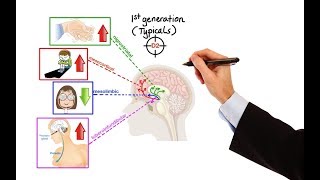
Antipsychotics, also known as neuroleptics, are a class of drugs used to treat psychiatric disorders, such as schizophrenia, bipolar disorder, and psychotic depression. Antipsychotics work by changing the way certain neurotransmitters (mainly dopamine) act in the brain.

Topics: Dopaminergic pathways · Dopamine receptors · First-generation 'typical' antipsychotics · Second-generation 'atypical' antipsychotics

16:23

Pharmacology – ANTIBIOTICS – DNA, RNA, FOLIC ACID, PROTEIN SYNTHESIS INHIBITORS (MADE EASY)

443K views · 8y ago · 16:23

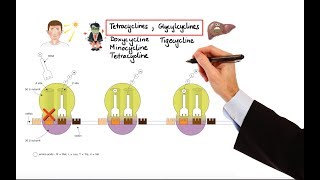
Antibiotics, also known as antibacterials, are a group of drugs used to treat various infections caused by bacteria. Antibiotics work by either selectively killing (bactericidal) or inhibiting the growth (bacteriostatic) of bacteria.

Topics: Nucleic Acid Synthesis Inhibitors · Protein synthesis inhibitors · Metabolic Pathway inhibitors

Showing the 24 most recent videos. Everything plays right here on The Pod Atlas.

Have thoughts about Speed Pharmacology? Share them with other learners.

Write a review

More Medicine educational channels

← Back to all educational channels